The Sabal Palm: Florida's Iconic Palmetto Tree
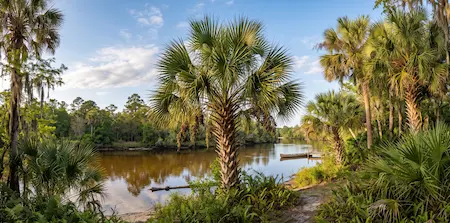
The Sabal palm (Sabal palmetto), also known as the cabbage palm or palmetto tree, is one of the most recognizable botanical symbols of the southeastern United States. Designated as the official state tree of Florida in 1953 and South Carolina in 1939, this resilient evergreen is deeply woven into the landscape, history, and culture of the region. Known for its fan-shaped fronds and rugged trunk, the Sabal palm serves as a vital ecological cornerstone and a living piece of southern history.
Key Quick Stats
| Attribute | Details |
|---|---|
| Scientific Name | Sabal palmetto |
| Common Names | Cabbage palm, Sabal palm, Palmetto tree |
| State Tree Honors | Florida (1953), South Carolina (1939) |
| Mature Height | 30 to 50 feet (up to 65 feet in deep woods) |
| Frond Size | 5 to 7 feet long |
| Cold Hardiness | USDA Zones 8a–11 (tolerates down to ~10°F to 15°F) |
| Wind Resistance | Extremely high; withstands hurricane-force winds |
Historical and Cultural Significance
The Sabal palm's connection to human history spans centuries, starting with Native American tribes across the Southeast who relied on every part of the plant:
- Shelter & Crafting: Fronds were woven into thatch roofing, mats, and baskets, while trunks provided posts for dwellings.
- Food Source: The edible terminal bud ("cabbage") was harvested for food, giving rise to the name cabbage palm.
During the Revolutionary War in 1776, defenders of Fort Moultrie on Sullivan's Island, South Carolina, constructed log walls from soft, fibrous Sabal palm trunks. British cannonballs sank into the spongy wood without splintering, enabling American forces to hold the fort. This event solidified the palmetto as a national emblem of liberty and resilience, earning it a permanent spot on South Carolina's state flag and seal.
Ecosystem Importance & Wildlife Value
Sabal palms thrive in habitats ranging from coastal sand dunes and maritime hammocks to pine flatwoods and riverbanks. They tolerate salt spray, flooding, drought, and nutrient-poor soils.
- Pollinators: Large summer blooms of creamy-white flowers attract thousands of bees and butterflies.
- Wildlife Forage: Fleshy, dark berries ripening in autumn feed birds, raccoons, deer, and black bears.
- Microhabitats: Old leaf bases ("bootjacks") on the trunk create shelter for bats, tree frogs, lizards, epiphytes (like Spanish moss), and beneficial insects.
Landscaping & Conservation Status
Widely used in urban planning, Sabal palms offer exceptional storm wind resistance due to deep root structures and flexible fronds. While not endangered, wild populations face threats from habitat loss, fragmentation, and emerging diseases like lethal bronzing disease. Protecting native hammocks and utilizing sustainable harvesting practices remain essential for long-term conservation.