Exploring Florida’s Iconic Pink Flamingos: A Complete Guide
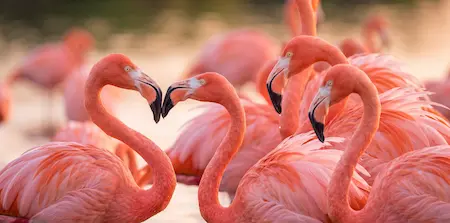
Florida stands out as one of the few places across the United States where you can witness majestic Pink Flamingos thriving in their natural habitat. From the vast stretches of the Florida Everglades National Park to coastal lagoons, these extraordinary birds capture the imagination of wildlife enthusiasts, photographers, and families alike. If you want to discover what makes these bright pink waders so fascinating, here is an in-depth look at their lives, habits, and unique traits.
Unique Habitats and Amazing Adaptations
Flamingos prefer salty, alkaline environments, including salt flats, brackish waters, coastal lagoons, and dense mangrove swamps. Surviving in such highly saline waters would prove difficult for most animals, but flamingos possess a specialized biological feature: unique salt glands located right above their eyes. These glands actively excrete excess salt from their bodies, allowing them to flourish in harsh, salty habitats where other species cannot survive. The Florida Everglades National Park remains one of the premier locations to catch a glimpse of these stunning birds in the wild.
Why Are Flamingos Pink? The Secret of Their Diet
Contrary to popular belief, flamingos are not born with vibrant pink feathers; they are born gray or white. They acquire their signature pink coloration entirely from their specialized diet, which is rich in algae and small crustaceans like shrimp.
To eat, flamingos employ a fascinating technique known as filter feeding. Their uniquely shaped bills are engineered to filter food directly from shallow water. By turning their heads upside down underwater, flamingos use their large, flat bills to trap tiny organisms while pushing out excess water. Their long, slender legs enable them to wade deep into shallow waters during foraging, sometimes traveling impressive distances in search of abundant food sources and suitable living conditions. Despite their delicate appearance, flamingos are surprisingly powerful fliers, utilizing their strong wings and long legs to launch quickly into flight to evade potential predators.
Nesting, Lifespan, and Social Behaviors
Flamingos are highly social birds that nest in massive colonies, often numbering in the thousands. To protect their single eggs from rising waters and land predators, they construct distinctive, cone-shaped mud nests.
Their social interactions are equally impressive. Flamingos are renowned for elaborate courtship rituals that feature synchronized group dancing, head-flagging movements, and mutual preening. These rituals help individual birds select a mate, forming monogamous pair bonds that frequently last for life. Both parents actively share the duties of incubating the egg and caring for the chick. They communicate using gentle grunts and soft honking noises. In the wild, flamingos enjoy remarkable longevity, often living four decades or more.
Key Information & Quick Facts
- Habitat: Salty alkaline environments like salt flats, lagoons, brackish waters, and mangroves, notably in Florida Everglades National Park.
- Diet & Color: Flamingos gain their famous pink feathers from consuming algae and crustaceans like shrimp.
- Feeding Technique: Filter feeders that turn their heads upside down to trap small organisms using flat bills.
- Adaptation: Specialized glands above their eyes filter out excess salt from brackish water.
- Nesting & Mating: Build cone-shaped mud nests in colonies of thousands; practice lifelong monogamy with elaborate courtship dances.
- Lifespan & Flight: Strong fliers capable of long-distance travel, living up to 40 years or more in the wild.
A Fun Wildlife Experience for Everyone
Observing flamingos in Florida is an inspiring experience for adults and children alike. Learning about their fascinating adaptations encourages a deeper appreciation for nature conservation and coastal ecosystems. So pack your binoculars, head out into the wild, and celebrate these magnificent pink icons of Florida’s natural landscape!