
Understanding the Florida Woods Cockroach: Identification, Habitat, and Management
The Florida woods cockroach (Eurycotis floridana), often referred to colloquially as the "palmetto bug," is a large, distinctive insect native to the southeastern United States. While frequently confused with the American cockroach (Periplaneta americana), the Florida woods cockroach possesses unique physical characteristics, behaviors, and habitat preferences that set it apart. Understanding these differences is essential for effective identification, management, and peaceful coexistence with native wildlife.
Identification and Physical Characteristics
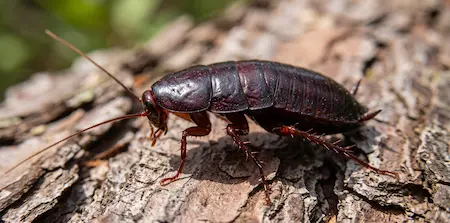
Adult Florida woods cockroaches are formidable in size, typically measuring between 1.2 to 1.6 inches (30 to 40 mm) in length. They feature a robust, broad body that is dark reddish-brown to almost black in color, lacking the lighter yellow margins on the pronotum commonly seen in American cockroaches. Unlike many winged species, the adult Florida woods cockroach is virtually flightless, possessing only tiny vestigial wing pads (tegmina) that fail to cover the abdomen.
Another notable defensive trait of Eurycotis floridana is its ability to emit a foul-smelling, pungent chemical spray when threatened or disturbed. This defense mechanism has earned the species additional common nicknames such as the "stinkroach" or "skunk cockroach." The secretion, produced from abdominal glands, can irritate sensitive eyes and skin, deterring potential predators like birds, lizards, and small mammals.
Natural Habitat and Behavior
Unlike structural pest species that thrive indoors, the Florida woods cockroach is primarily an outdoor, peridomestic organism. Its natural habitat includes damp, dark, organic environments rich in decomposing plant matter. Preferred outdoor harborages include tree holes, decaying logs, leaf litter, mulch beds, woodpiles, and underneath palm fronds—especially palmetto trees, from which the general term "palmetto bug" originates.
These insects are nocturnal and slow-moving compared to faster household pests like the German cockroach. They play a beneficial ecological role in their native habitat by assisting in the breakdown of organic debris and nutrient recycling within forest and wetland ecosystems. They feed primarily on decaying plant material, fungi, and lichen, rarely actively seeking human food sources indoors.
Occurrences Indoors and Prevention Strategies
Because Florida woods cockroaches depend on high moisture levels to survive, they do not easily establish long-term breeding populations within air-conditioned or well-ventilated home interiors. Accidental indoor intrusions usually occur during periods of extreme weather—such as heavy rainfall, flooding, or prolonged drought—when insects seek shelter, or when brought inside accidentally via firewood, potted plants, or outdoor storage boxes.
To minimize indoor encounters, homeowners can implement targeted exclusion and environmental modifications around the home exterior:
- Maintain a vegetation-free barrier of 12 to 18 inches around the home foundation, keeping heavy mulch, pine straw, and dense ground cover away from exterior walls.
- Seal cracks, gaps, and crevices in foundation walls, exterior doors, window frames, and around utility pipe penetrations using weatherstripping, caulk, or expansion foam.
- Inspect firewood, potted plants, and outdoor equipment before bringing them indoors, and store firewood elevated above the ground away from the house.
- Reduce excessive outdoor moisture by addressing leaking hose bibbs, ensuring proper gutter drainage away from the home, and avoiding over-watering landscape beds.
By recognizing the Florida woods cockroach as an outdoor decomposer rather than an invasive household pest, homeowners can address occasional indoor sightings with simple exclusion methods rather than relying heavily on indoor chemical treatments.