
The Majestic Bald Cypress
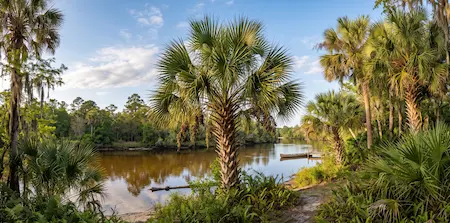
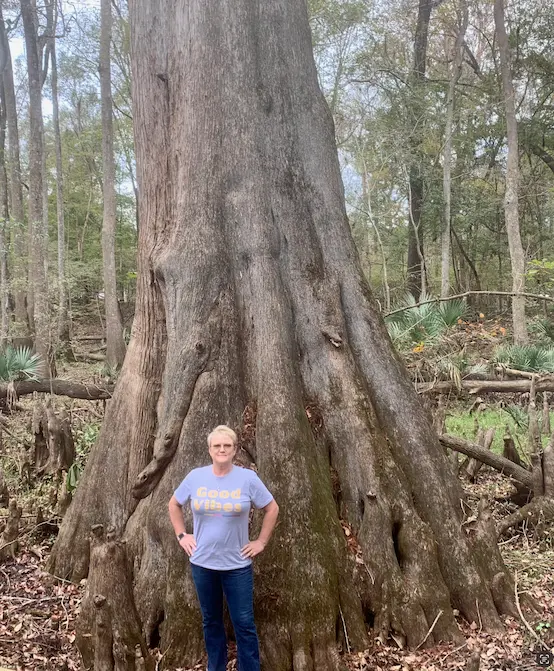
The Bald Cypress tree is a cornerstone of the American wetlands, commonly found along the banks of rivers, streams, and creeks, as well as within the slow-moving waters of swamps. These towering giants reach staggering heights of 100 to 150 feet, anchored by massive trunks that frequently exceed six feet in diameter. In states like Florida, the enduring legacy of these trees is evident in the giant stumps that remain from the early 1900s, serving as a testament to their historical dominance in the landscape.
One of the most intriguing biological features of the Bald Cypress is its "knees." These are cone-shaped extensions of the root system that grow upward out of the soil or water. Scientists believe these structures provide essential structural support for the massive trees in soft, saturated ground. Other theories suggest that the knees allow the roots to obtain oxygen during periods of flooding or perhaps served as a defense mechanism against the heavy footsteps of ancient large herbivores. Complementing this unique root system are the tree's linear, featherlike leaves. Measuring roughly one-eighth of an inch wide and up to three-quarters of an inch long, these leaves feature sharp, pointed tips and hang gracefully from the branches. They transition from a vibrant green during the summer months to a deep brown in the winter.
QUICK FACTS
- Lifespan: Up to 600 years
- Height: 100-150 feet tall
- Trunk Diameter: Six or more feet
- Distinctive Features: Cone-shaped root extensions known as "Knees"
- Famous Specimen: "Big Dan," estimated at 2,704 years old and 35 feet in circumference
Historically, the Bald Cypress was highly valued for its lumber due to its exceptional durability and natural resistance to rot. This made it a preferred material for heavy construction projects, including the building of docks, bridges, silos, tanks, and even caskets. However, because the Bald Cypress is a very slow-growing species, its modern usage for commercial lumber has declined. Today, it has found a new life in the world of art and interior design. Many artists utilize the durable wood to create intricate decor, including wall hangings, custom furniture, and clocks crafted from unique cross-sections of the trunk.
While the typical lifespan of a Bald Cypress is approximately 600 years, some extraordinary specimens defy these standards. The most famous local giant is known as "Big Dan," recognized as one of the oldest living Cypress specimens in existence. In 2020, experts estimated Big Dan to be approximately 2,704 years old. With a massive circumference of 35 feet, this ancient tree is located at Camp Kulaqua, situated along the Hornsby Spring Swamp Run near High Springs, Florida.