
The American Alligator: A Keystone Species of the Southeast
The American alligator (Alligator mississippiensis) is one of the most iconic and ancient inhabitants of the southeastern United States. As a keystone species, these reptiles play a vital role in maintaining the health and balance of wetland ecosystems. From their prehistoric appearance to their complex social behaviors, alligators are a subject of enduring fascination and ecological importance.
Quick Facts
- Scientific Name: Alligator mississippiensis
- Average Lifespan: 30 to 50 years in the wild
- Diet: Carnivorous, including fish, turtles, snakes, and small mammals
- Size: Males can reach 10 to 15 feet; females are typically smaller
Appearance and Anatomy
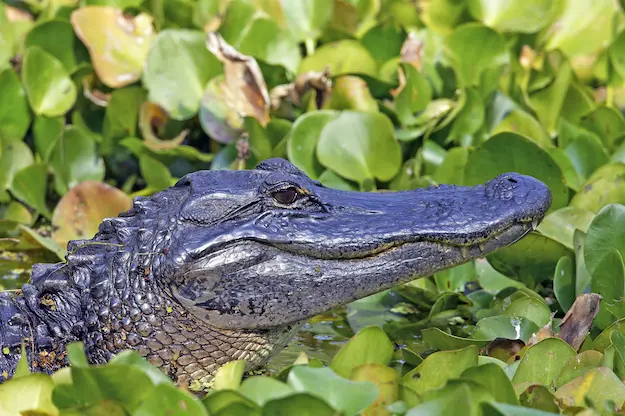
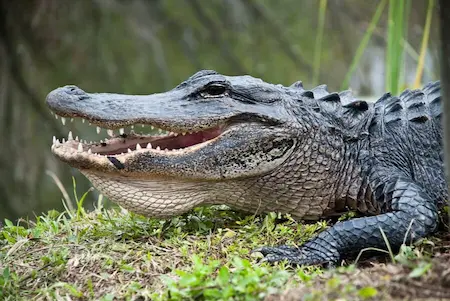
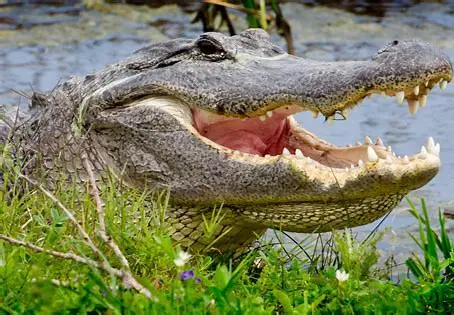
The physical characteristics of the American alligator are perfectly adapted for an amphibious lifestyle. They are distinguished by their broad, rounded snouts, which differ from the more pointed snouts of crocodiles. Their bodies are covered in thick, bony scales called osteoderms that act as armor. Adults are generally dark gray to black, providing excellent camouflage in murky waters. Interestingly, what often appears as green on their skin is actually algae growth, further aiding their stealth. Juveniles feature bright yellow-to-white cross-bands on their tails and bodies, which help them blend into marsh vegetation to avoid predators.
Habitat and Distribution
Alligators are primarily found in freshwater environments, ranging from North Carolina to the tip of Florida and west to Texas. They thrive in slow-moving rivers, swamps, marshes, and lakes. These reptiles are often referred to as "ecosystem engineers" because they dig "gator holes" that retain water during dry spells, providing a vital refuge for other aquatic life. While they prefer freshwater, they can tolerate brackish water for short periods, allowing them to move through coastal estuaries and mangroves.
Behavior and Reproduction
Alligators are ectothermic, meaning they rely on their environment to regulate body temperature, often seen basking on banks during the day. They are opportunistic hunters with a diet that changes as they grow. While hatchlings eat insects and small fish, adults can take down much larger prey. Spring marks the beginning of the breeding season. In April and May, alligators engage in complex courtship rituals, including low-frequency bellows and water-slapping. Females build nests of vegetation that can reach several feet high; the heat generated by the decomposing plants incubates the eggs, with temperature determining the sex of the hatchlings.
Environmental Threats and Conservation
Historically, alligators faced extinction due to unregulated hunting and habitat loss. However, they were one of the first species listed under the Endangered Species Act and have since made a remarkable recovery. Today, they are managed through state programs, such as those overseen by the Florida Fish and Wildlife Conservation Commission. Current threats include habitat fragmentation due to urban development and the pollution of waterways. Conservation efforts now focus on habitat preservation and maintaining stable populations through controlled harvest programs to ensure they continue to thrive.
Alligator Safety and Coexistence
Coexisting with alligators requires awareness and respect for their power. It is essential to maintain a distance of at least 60 feet from any alligator. Never feed alligators, as this causes them to lose their natural fear of humans and associate people with food, leading to dangerous encounters. Be particularly cautious near the water's edge, especially at dawn or dusk when they are most active. Keep pets on a short leash and away from the water, as they can resemble natural prey. If an alligator hisses, you are too close; back away slowly to give the animal space.