News & More
Know the Springs
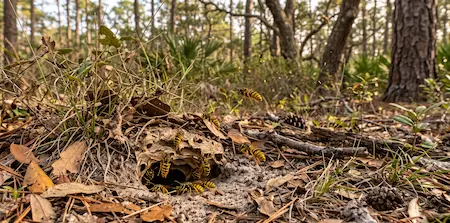
WW: Yellow Jackets
Yellow jackets are a common sight during late summer and early autumn. Known for their striking black-and-yellow bands, these predatory insects play a dual role in our ecosystem: they are beneficial pest controllers, but they can also become aggressive pests when protecting their nests or scavenging for food.
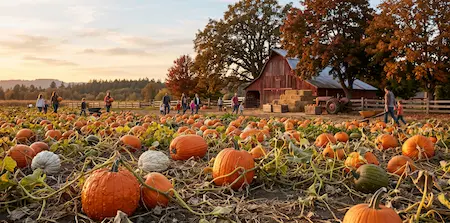
WW: Pumpkins
The Ultimate Guide to Pumpkins: History, Growth, and Fun Facts As the […]
WW: Mosquitoes
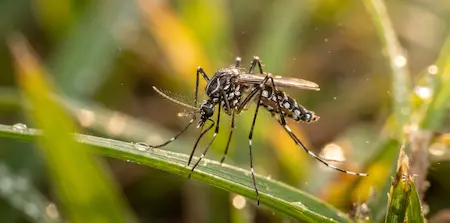
10 Fascinating & Surprising Fun Facts About Mosquitoes
1. Only Female Mosquitoes Bite
Contrary to popular belief, not all mosquitoes are bloodsuckers. In fact, male mosquitoes feed exclusively on flower nectar, plant sap, and fruit juices. Female mosquitoes require the protein and iron found in blood to nourish and develop their eggs. Without a blood meal, most female mosquitoes cannot reproduce, making human and animal blood an essential part of their reproductive cycle rather than a primary food source for their own survival.
WW: Fireflies
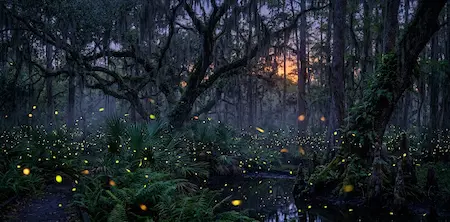
Florida is home to roughly 50 distinct species of fireflies, which are not actually flies at all, but rather soft-bodied beetles belonging to the family Lampyridae. Nicknamed “lightning bugs” due to their magical ability to light up the warm southern night, these remarkable insects are a beloved hallmark of summer. Depending on the species, their bioluminescent flashes can glow in vibrant hues of yellow, orange, or brilliant pale green. Fireflies thrive in humid environments with abundant standing water, making Florida’s lush marshes, swamps, riverbanks, and secluded ponds the ideal natural ecosystem for them to live, feed, and find mates.
WW: Bats
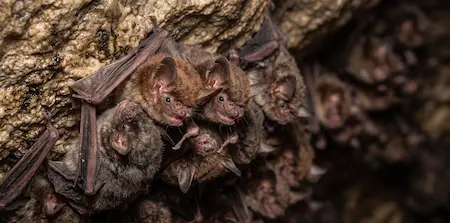
Florida is home to a rich variety of wildlife, and among its most beneficial—yet frequently misunderstood—inhabitants are bats. In Florida, there are 13 native bat species, alongside 7 “accidental” species that have only a few recorded occurrences in the northern or southern extremes of the state (Marks and Marks 2006). These flying mammals play vital roles in maintaining healthy ecosystems and supporting local agriculture throughout the Sunshine State.
WW: Florida Woods Cockroach
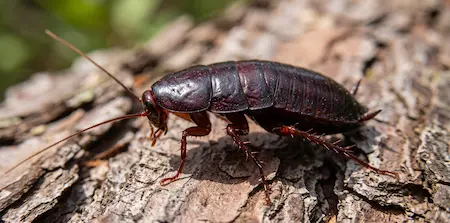
The Florida woods cockroach (Eurycotis floridana), often referred to colloquially as the “palmetto bug,” is a large, distinctive insect native to the southeastern United States. While frequently confused with the American cockroach (Periplaneta americana), the Florida woods cockroach possesses unique physical characteristics, behaviors, and habitat preferences that set it apart. Understanding these differences is essential for effective identification, management, and peaceful coexistence with native wildlife.
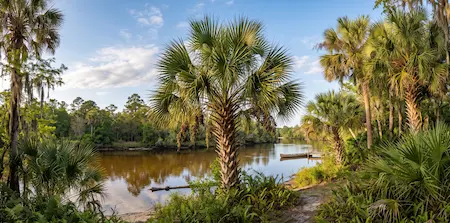
WW: Sabal Palm
The Sabal palm (Sabal palmetto), also known as the cabbage palm or palmetto tree, is one of the most recognizable botanical symbols of the southeastern United States. Designated as the official state tree of Florida in 1953 and South Carolina in 1939, this resilient evergreen is deeply woven into the landscape, history, and culture of the region. Known for its fan-shaped fronds and rugged trunk, the Sabal palm serves as a vital ecological cornerstone and a living piece of southern history.
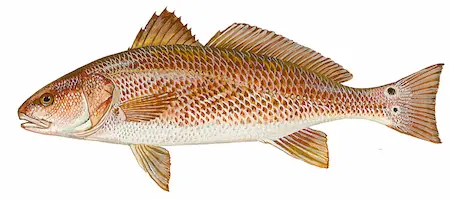
WW: Red Drum
Freshwater fisheries biologists working on the St. Johns River recently made an exciting discovery: while traveling upriver, they encountered a variety of saltwater fish species, including the iconic Red Drum (Sciaenops ocellatus). Although Red Drum are primarily native to coastal marine waters, in winter they frequently move into estuarine environments, seagrass beds, muddy bottoms, spring-fed creeks, and oyster reefs. There, they use their powerful pharyngeal teeth to crush hard-shelled prey like oysters and crabs.
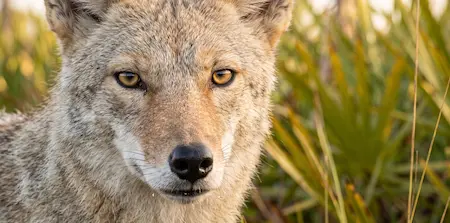
WW: Coyotes
Coyotes are one of North America’s most versatile and adaptable mammals. Once strictly a western species, coyotes began migrating east and arrived in north Florida in the 1970s. Today, they are recognized as a naturalized species present across all 67 Florida counties. Whether roaming deep forests, rural farmlands, or suburban neighborhoods, these clever canids have successfully made the Sunshine State their home.
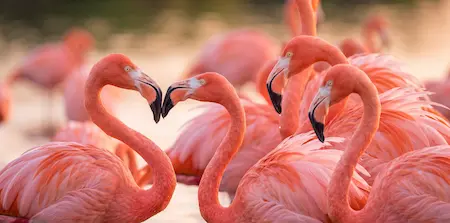
WW: Pink Flamingos
Florida stands out as one of the few places across the United States where you can witness majestic Pink Flamingos thriving in their natural habitat. From the vast stretches of the Florida Everglades National Park to coastal lagoons, these extraordinary birds capture the imagination of wildlife enthusiasts, photographers, and families alike. If you want to discover what makes these bright pink waders so fascinating, here is an in-depth look at their lives, habits, and unique traits.