
The Ultimate Guide to Pumpkins: History, Growth, and Fun Facts
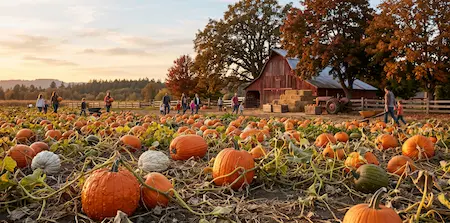
As the autumn leaves turn vibrant shades of orange and gold and the crisp fall air settles in, one iconic symbol immediately comes to mind: the pumpkin. Far more than just festive seasonal decor for your front porch, pumpkins carry a rich cultural heritage, extraordinary botanical traits, and incredible nutritional value. Whether you are baking a warm pie on a chilly afternoon, visiting a local patch with family, or carving a spooky masterpiece for Halloween, exploring the fascinating story behind these versatile fruits reveals why they remain a cherished cornerstone of fall traditions.
Fascinating Pumpkin Facts You Might Not Know
- Ancient Origins: Pumpkins have been cultivated for over 7,000 years, making them one of North America's oldest harvested crops. Long before European settlers arrived, Indigenous tribes relied heavily on pumpkins as an essential food staple, drying strips of flesh to store through cold winters.
- Culinary Versatility: While commonly linked to sweet holiday treats like traditional pie, pumpkins shine across a broad spectrum of savory global culinary applications, ranging from rich soups and savory breads to hearty curries and roasted seasonal vegetables.
- Giant Champions: Competitive growers devote entire months to cultivating giant pumpkin varieties, which routinely shatter records by exceeding 1,000 pounds. Massive weigh-off competitions worldwide offer substantial cash prizes for these agricultural marvels.
- Nutritional Powerhouse: Extremely nutrient-dense, pumpkin flesh provides high amounts of essential vitamins A and C alongside vital dietary fiber. Additionally, roasted pumpkin seeds deliver generous helpings of plant-based protein, healthy fats, and key minerals.
- Cultural Impact: From folklore and jack-o'-lantern carving to Charles M. Schulz's legendary Peanuts special featuring the Great Pumpkin, these gourds hold an enduring spot in classic pop culture and autumn celebrations.
Understanding the Pumpkin Growing Cycle
A common question among home gardeners concerns how long pumpkins continue to develop after being harvested. Once detached from the main vine, a pumpkin's growth ceases completely. The entire growing journey takes place during a single season, usually spanning between 90 and 120 frost-free days depending on the specific cultivar and local environmental conditions.
To better understand how these vibrant winter squashes mature, let us take a closer look at the key stages of their developmental lifecycle:
- Spring Planting: Seeds are sown outdoors late in the spring season after all danger of frost has passed and soil temperatures consistently warm up, establishing ideal conditions for germination.
- Vegetative Expansion: Following successful sprouting, seedlings undergo rapid vegetative growth, extending long vines across the soil and unfurling wide green leaves to capture solar energy.
- Flowering & Pollination: Plants generate distinct male and female blossoms. Active pollinators, such as honeybees, transfer pollen from male flowers to female ones, initiating fruit set.
- Fruit Maturation: Over summer weeks, pollinated ovaries expand dramatically, transforming into deep orange fruits as sugar levels rise and outer skins harden into protective rinds.
- Autumn Harvest: Growers harvest fully ripened pumpkins in early-to-mid autumn before hard frosts occur. Properly cured and stored in cool, dry settings, harvested pumpkins remain fresh for several months.
Whether appreciated as a nutrient-dense ingredient, an agricultural miracle, or an essential centerpiece of fall festivities, the pumpkin remains one of nature's finest autumnal gifts. Understanding its history and life cycle deepens our appreciation for this versatile crop every time harvest season rolls around.